AI in action
Nine creators on unlocking and rewriting the rules of artistic expression

Acting as collaborators rather than just resources, they’re helping designers, artists, and developers move from idea to execution faster than ever. But how are leading creators actually using this technology, and what can the rest of us learn from them?
Nine trailblazers share how they’re utilizing AI to unlock new forms of expression, streamline workflows, and rewrite the rules of what comes next.
“These tools don’t just make me faster; they elevate the quality of my work.”
Hashem Al-Ghaili, Producer/Filmmaker/Science Communicator
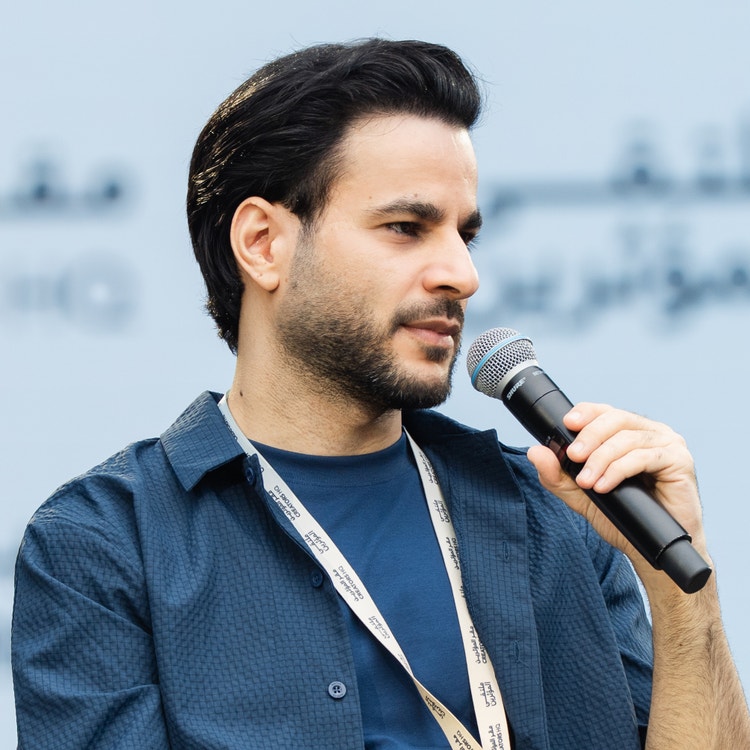
“Beyond my work as a science communicator, I’m a filmmaker and VFX artist with many stories waiting to be told. Thanks to AI, I can now bring them to life in any style, without relying on production studios that once felt out of reach. Since 2021, I’ve fully integrated AI into my workflow, using it for brainstorming, writing, music, voiceovers, and visual creation.
“These tools don’t just make me faster; they elevate the quality of my work. What once required large teams and massive budgets can now be done with just a few clicks, at a fraction of the cost.”
“AI isn’t replacing designers. It’s expanding our role. It’s another instrument in the creative arsenal, helping us prototype and rehearse the future so we can build something better.”
Alex Center, Designer/Podcaster/Founder, Design Studio CENTER
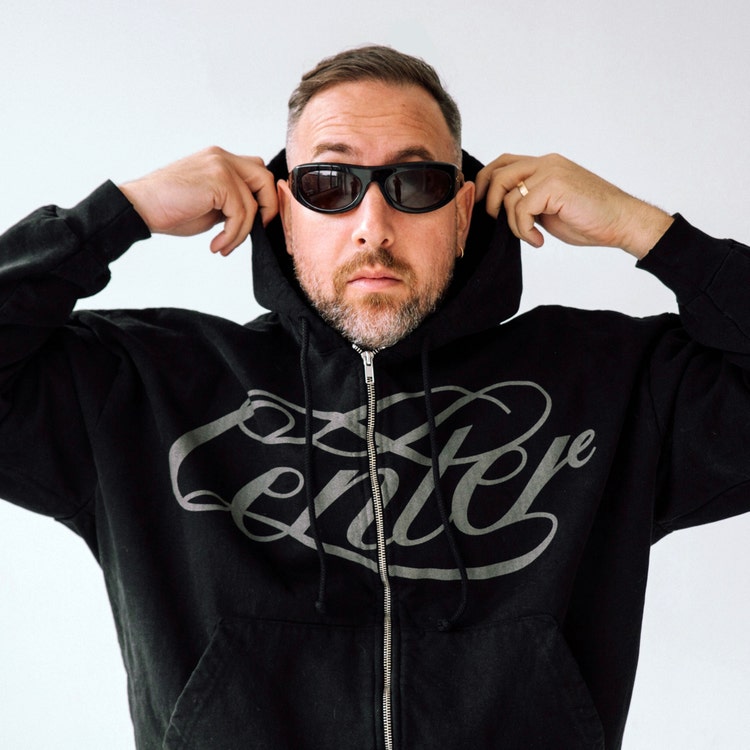
“Artificial intelligence is a powerful tool that’s changing how we work, create, and design. It makes it easier and faster to visualize what’s next.
“At CENTER, our goal has always been to build the next generation of iconic brands, help ambitious companies tell their stories, and shape the brands of tomorrow. A big part of that is helping clients rehearse the future and turn bold ideas into tangible designs before the world even knows they exist. AI has become central to that process.
“We use it to visualize products, ingredients, and highly specific images that don’t yet exist, and to generate assets for brand systems, packaging, and storytelling before a photoshoot ever happens. It helps us bring ideas to life earlier and with more clarity.
“I’ve been a designer for 18 years, and my tools have always evolved. AI isn’t replacing designers. It’s expanding our role. It’s another instrument in the creative arsenal, helping us prototype and rehearse the future so we can build something better.”
“AI expands creative agency. It lets me code, design, and tell stories that might otherwise stay in my head.”
Gabi Duncombe, Senior Staff Product Designer, Adobe Firefly
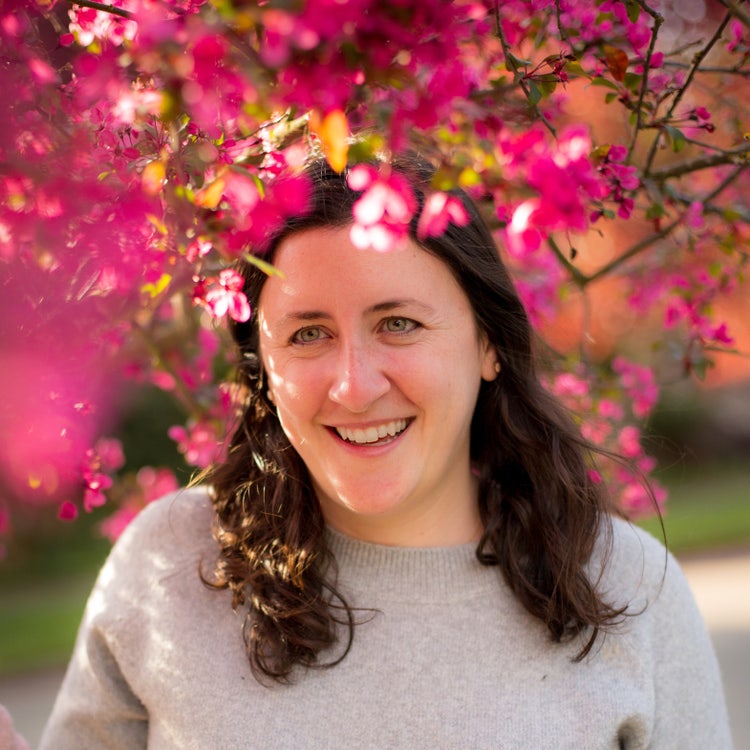
“While prototyping a dial UI in a node-based tool, I hit a trigonometry wall. Instead of building a complex graph, I asked an LLM to generate a JavaScript patch. It worked. One function replaced hours of setup, and the idea in my head appeared on screen. That moment made it clear AI could bring ideas to life that were previously too time- or skill-intensive.
“Since then, I’ve used AI to prototype new experiences, build tools that accelerate my workflow, elevate presentations, and explore generative-first filmmaking. It’s about prototyping what’s in your head, playing early, and building intuition.
“One concept I’ve been exploring is wrapping video models in small, art-directable ‘micro tools’ that generate specific ingredients like light leaks or transitions. I built a prototype with guided controls and real outputs, so teammates could experience it directly. It shifts conversations from theory to feel and helps test ideas early.
“My workflow now blends tools like Adobe Firefly Boards, Figma, Adobe Premiere Pro, and code-based prototyping. AI speeds up idea-to-prototype cycles, makes decks and demos more compelling, and enables solo filmmaking in ways that weren’t realistic before.
“For me, AI expands creative agency. It lets me code, design, and tell stories that might otherwise stay in my head. The boundaries between design, product, and engineering are blurring. The best way to learn is to build, experiment, and push your creative range.”
“Even if AI does some of the work, it’s my voice. My role is to guide it with intention, so the final piece isn’t just visually striking, but layered with meaning.”
Gabriela Iancu-Mihai, Senior Visual Content Designer, Photography and Digital Imaging, Adobe
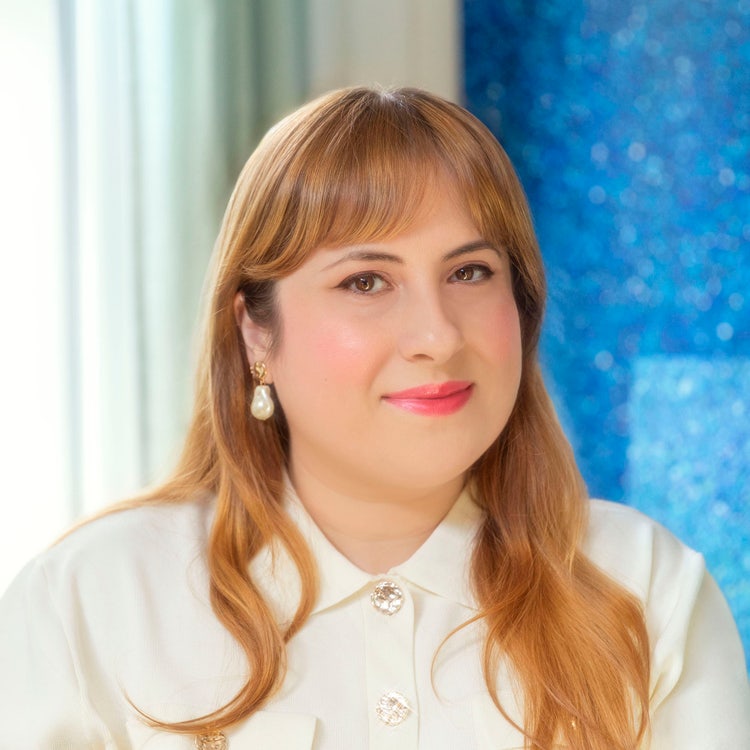
“As an artist and creative changemaker, I’m deeply interested in how we maintain a unique voice when working with AI. My practice is rooted in our connection to nature and the planet, and I want that essence to carry through whatever tools I use. What excites me about AI is its ability to help me experiment, push ideas further, and imagine new futures. For me, it’s about developing a clear point of view and having the confidence to stand by it.
“AI has also taught me to slow down. It asks me to be more intentional: Why am I creating this? What’s the purpose? The goal isn’t fast or generic output, but meaningful work. In the end, AI can amplify creativity, but only if you know what you want to say first.”
“I use AI for community building. When everyone can show what their ideas look like, storytelling becomes more immediate and personal.”
Kris Kashtanova, Senior Creative AI Evangelist/Community Advocate, Adobe

“I also use AI for community building. When everyone can show what their ideas look like, storytelling becomes more immediate and personal. Anyone can generate an image, but only you can tell the story of your life, your family, and where you come from.
“For me, AI makes it easier to get into a creative flow: Give yourself five minutes. Put on music, make a cup of tea, light a candle, and just start creating. You might not want to stop.”
“Its possibilities are infinite, as long as we remain in control of what comes out of Pandora's box.”
Matthieu Salvaggio, Founder, Blaze Type
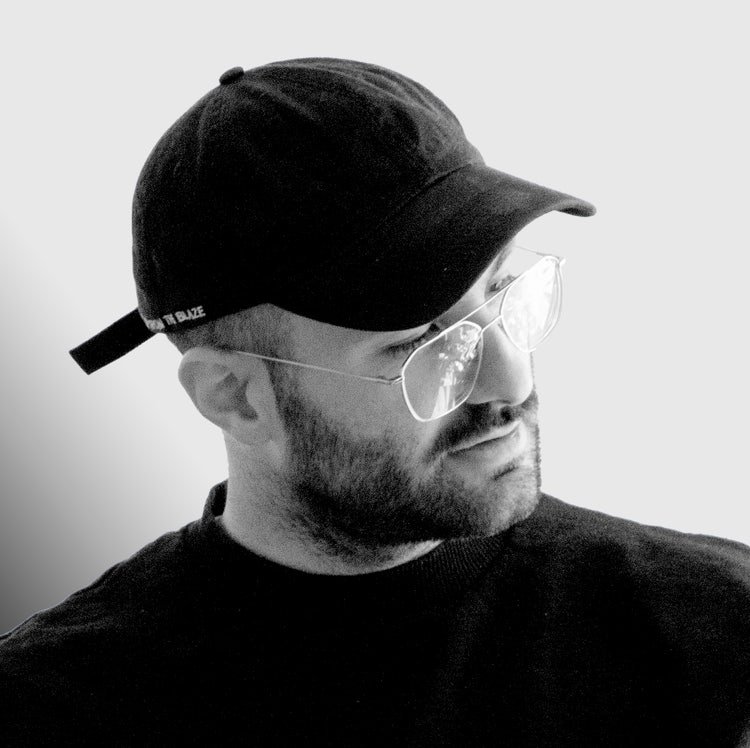
“AI is being developed globally across many fields, and we’ve been using it for various purposes: coding, text samples, theory discussions, data analysis, and so on.
Recently, we even worked with Monotype on a project involving AI in font development. The subject of AI is complex. My advice with it is to take it with a grain of salt. It is a wonderful thing to be a witness to an emerging technology such as AI; its possibilities are infinite, as long as we remain in control of what comes out of Pandora's box.”
“We’re in a period of major flux, but with disruption comes opportunity. I’m interested in how AI will impact not just creative industries, but society as a whole.”
Tabitha Swanson, Multi-disciplinary Designer, Creative Technologist, Founder, SEEK/FIND
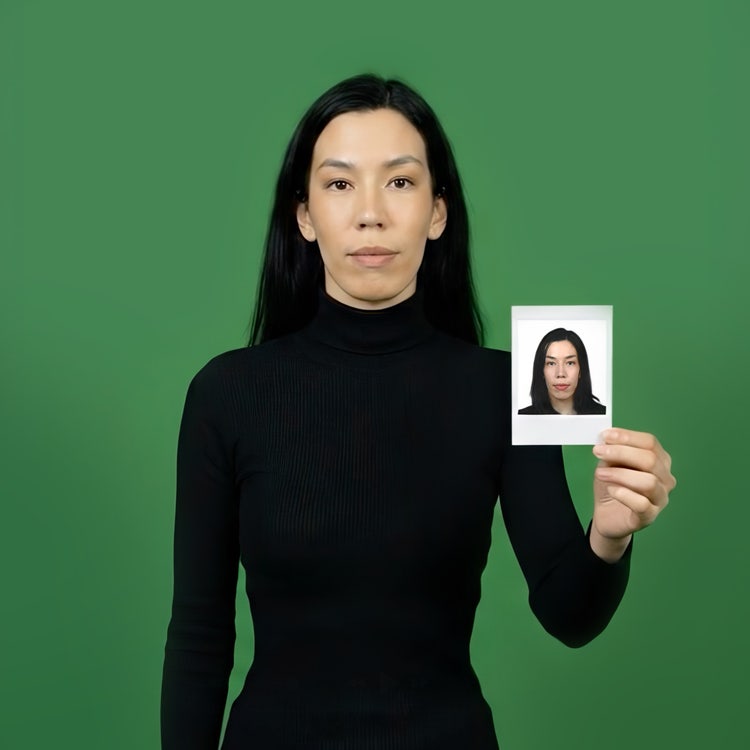
“AI has great potential to both disrupt the industry and create more accessible tools. In 2023, I presented my AI short film My Right at the Venice Film Festival and spoke on a panel about AI and film. This year, I released my latest short, Everything is (quietly) becoming an echo, a metaphilosophical film about life and death, or the lack thereof, in the digital age. For both projects, I created storyboards using text-to-image AI and then animated them with image-to-video tools.
“I’ve also been hosting AI film festivals through SEEK/FIND in Berlin, showcasing work by local filmmakers, and I plan to continue this series in New York.
“Beyond filmmaking, I use AI for sound and editing workflows. I apply it to voice and music in my films, and to edit episodes of the SEEK/FIND podcast. While I can do basic sound editing, tools like Adobe Podcast help me clean up audio much more efficiently. I also use AI to review long, complex contracts alongside my own reading, just to ensure I haven’t missed anything—though of course, AI isn’t legally accountable if it gets something wrong.
“More broadly, I think AI will permeate most aspects of our lives whether we like it or not, so it’s important to learn from it and help shape how it develops. We’re in a period of major flux, but with disruption comes opportunity. I’m interested in how AI will impact not just creative industries, but society as a whole.
“The Internet reshaped how we connect, and AI is accelerating that shift. Alongside my work in creative technology and direction, I’ve begun the MA in Global Thought at Columbia University, focusing on international tech policy, with particular interest in AI, energy, international relations, and economic outcomes.
“I’ve also been researching the intersection of AI and spirituality, including ideas around AI-generated belief systems and questions of sentience, samsara, and consciousness. Earlier this year, I hosted a SEEK/FIND panel on AI and Buddhism, and I hope to continue facilitating these conversations alongside my research.”
“My favorite way to approach AI is to treat it as a toy before a tool. Play takes the pressure off and reveals unexpected use cases or new questions.”
Kezie Todd, Staff Product Designer, AI and Emerging Design, Adobe
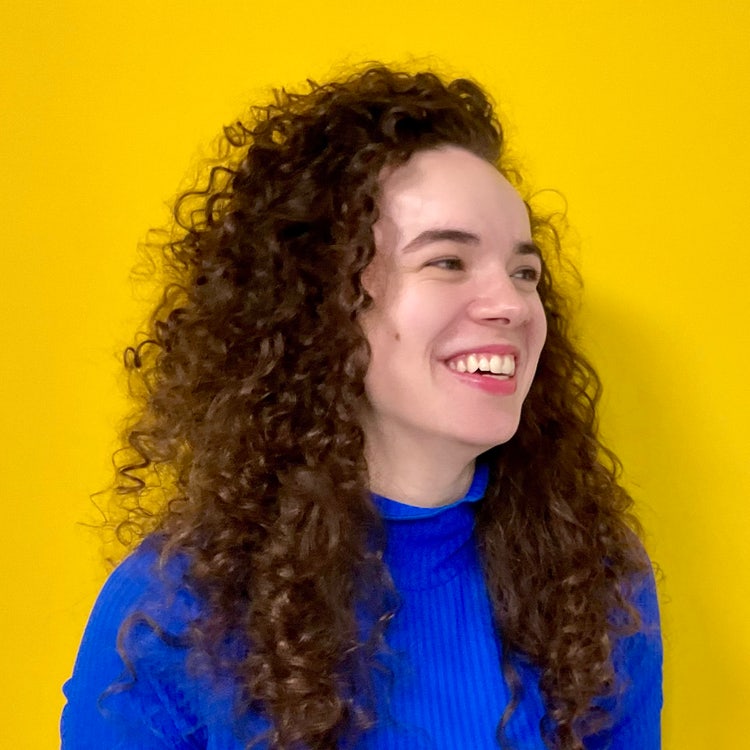
“Experiment within your expertise to build understanding. Test AI in workflows you already know well, like creating a brand from start to finish or building a portfolio website. Even if you expect it to fail, explore where it exceeds expectations and where it falls short. Compare results, do your own research, and reflect on what’s actually happening.
“As a UX designer, this is where I go deeper into the technology, asking how it achieves certain outcomes or why it doesn’t. Strip away the ‘magic’ and critique it as a tool, designed by and impacting real people, so you can understand where and how to apply it, or not.
“My favorite way to approach AI is to treat it as a toy before a tool. Play takes the pressure off and reveals unexpected use cases or new questions. Forget the idea of the ‘best prompt’ and experiment—make it funny, make it stuck in loops, turn a book into a game, or run D&D with an LLM and observe where hallucinations help or break things.
“Then bring it back into your practice. Rinse, repeat, reflect. For me, the fundamentals of design matter more than ever. Getting hands-on helps me expand my own work, surface implications, and stay curious about where this technology fits, and where it doesn’t.”
“Technology challenges the idea that everything has already been done.”
Paul Trillo, Director/Video Artist/Founder, Asteria Films Co.
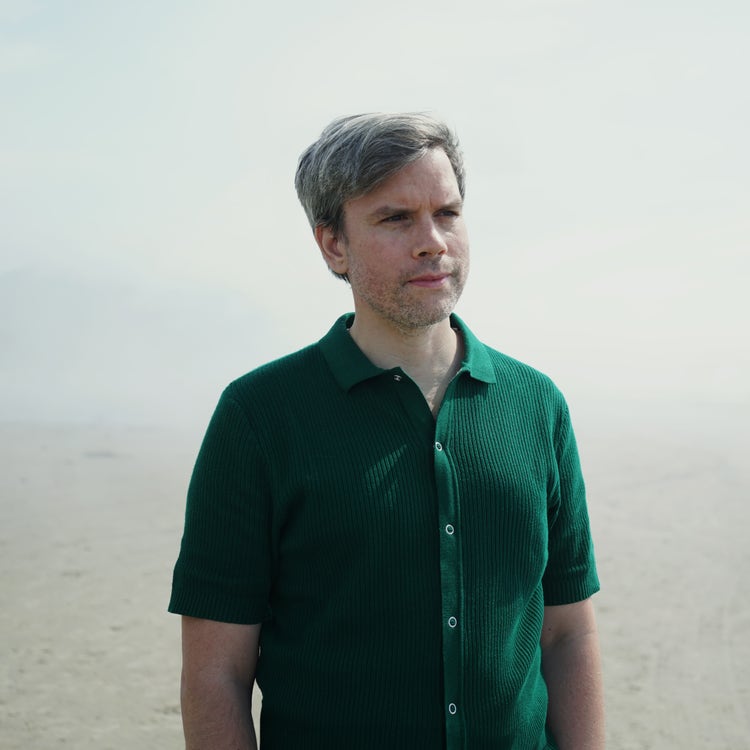
“My approach has always been to use tools in ways they weren’t designed, looking at them sideways or upside down and combining workflows to find new possibilities.
“I started learning Adobe After Effects in high school, and since then I’ve experimented with camera tech, 3D scanning, and digital effects to create new visual ideas. For me, technology challenges the idea that everything has already been done. So, adopting AI into my work as a visual effects tool and to expand the types of concepts I can achieve was a no-brainer.”