Creativity in the age of AI
Inside Adobe’s semester with Parsons students
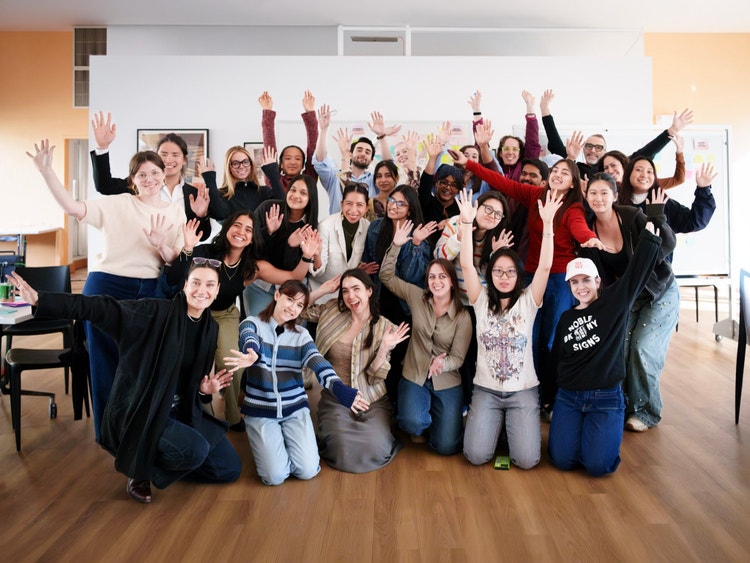
Connecting with students across all levels of experience and varying degrees of familiarity with generative AI, this program created space to slow down and examine creative practice at a moment when new tools are constantly reshaping creative terrain.
To support that exploration, students received hands-on access to tools like Adobe Firefly, the all-in-one creative AI studio, including Firefly Boards and the Firefly Video Editor, along with Adobe Photoshop, Adobe Lightroom, and Adobe Premiere. Students also engaged with Content Credentials through the Content Authenticity Initiative, exploring how they can attach their verified name, social accounts, and other attribution details directly to their work.
What emerged wasn't just stunning final projects, but also feedback on how the next generation of creatives is thinking about these tools, where they see value, and where they're still working through complexities. As this semester’s program wraps with a showcase of student work, a few themes stand out.
AI is already part of students' creative process
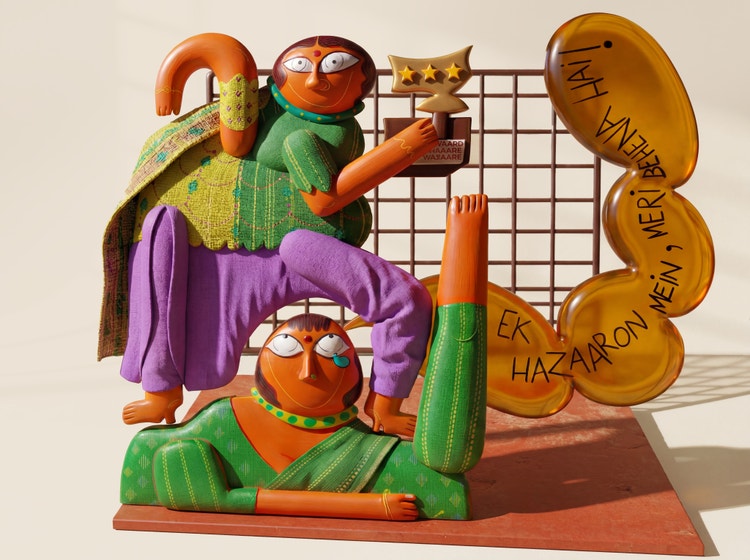
Students aren't approaching AI as something entirely new. Many were already using generative tools in their creative process before the program began, particularly in early creative stages like ideation, concepting, and visual exploration.
What stood out was how naturally AI fit into those moments: getting ideas out faster, visualizing concepts that would otherwise be difficult to prototype, and exploring across mediums in ways that expanded their thinking.
At the same time, many students were deliberate about where they wanted complete creative control. For some, that meant stepping back from these tools in the later stages of a project, where authorship and final decision-making felt most personal.
Rather than asking, "Can AI create?” students asked, "How does it influence and support the creator?"
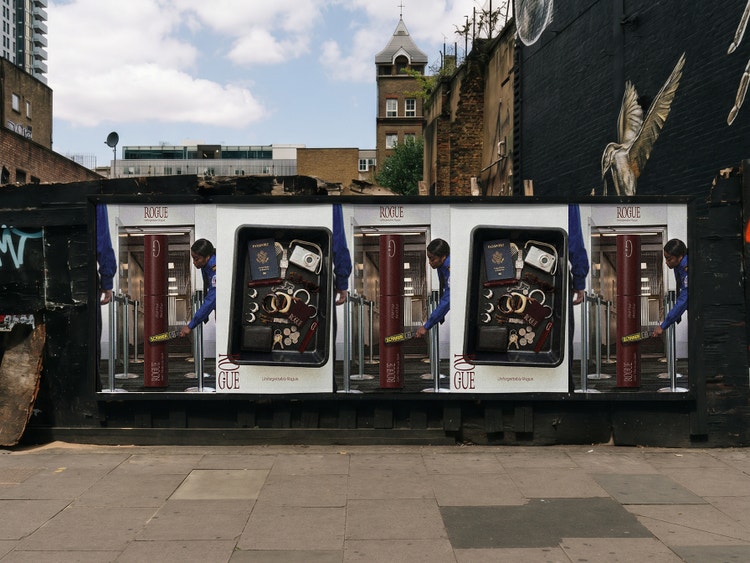
While conversations about AI often focus on output quality, students pointed to something deeper—a genuine question about how these tools might shape their own creative thinking over time. This tension surfaced naturally as we discussed how ideas evolve, how decisions are made, and how personal style is formed.
Several students described moments when AI outputs shifted the direction of their original ideas, or when it became harder to distinguish their own instincts from recommendations introduced by a tool. These experiences introduced meaningful conversations about creative control and the journey of becoming a creative: the trial and error, the development of taste, and the ability to build a point of view over time are central to how designers will ultimately engage with AI on their own terms.
This extends beyond the individual creative process: Students expressed interest in tools, approaches, and frameworks that protect and respect authorship and artistic rights more broadly. Students resonated strongly with the Adobe-founded Content Authenticity Initiative, which promotes the adoption of provenance tools like Content Credentials that carry verifiable metadata about how a piece of work was created and edited. For this generation of designers, provenance is a practical concern they’re already thinking about as they enter their chosen field.
Creative confidence looks different at every stage
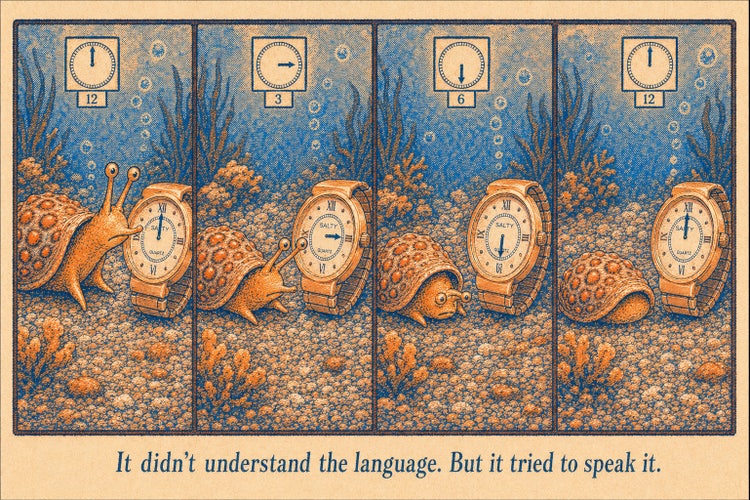
One of the most revealing dynamics we observed was how differently AI is leveraged depending on where someone is in their creative journey. Students still developing their visual identity wanted to ensure they had space to find their own creative voice and use AI in ways that would amplify their human creativity rather than replace it.
More experienced creatives, on the other hand, have welcomed the opportunity to leverage AI to scale their work, extend their style, and operate more efficiently.
This speaks to how creative needs evolve over time: Emerging creatives are still establishing their creative identities, while those with more experience may be better positioned to use AI as an amplifier.
Speed isn't the only metric that matters
Much of the conversation around AI centers on acceleration—faster outputs, more content, greater efficiency. Students were focused on something more.
When asked to imagine tools that worked better for them, students didn't just want speed and control; they wanted tools that gave them more creative ownership and provided space for reflection in their creative process. Their goal, as they saw it, isn't just to make AI more powerful. It's to make their creative processes and outputs more meaningful.
What this means for the future of design

If there's one takeaway from this experience, it's that the future of creative work won't be defined by AI alone. It will be shaped by how people choose to use it. The students we worked with aren't passive adopters of this technology, but are actively using it, questioning it, testing it, and determining where it fits into their process and sharing feedback about what they want for the future.
In doing so, they're helping define a more intentional model for creativity in an AI-enabled world—one that keeps human creativity, authorship, and learning at the center.
That's what made being part of this work so rewarding and compelling.