Design careers don't look like they used to—and that’s a good thing
Why originality and curiosity matter more than ever in a quickly changing world
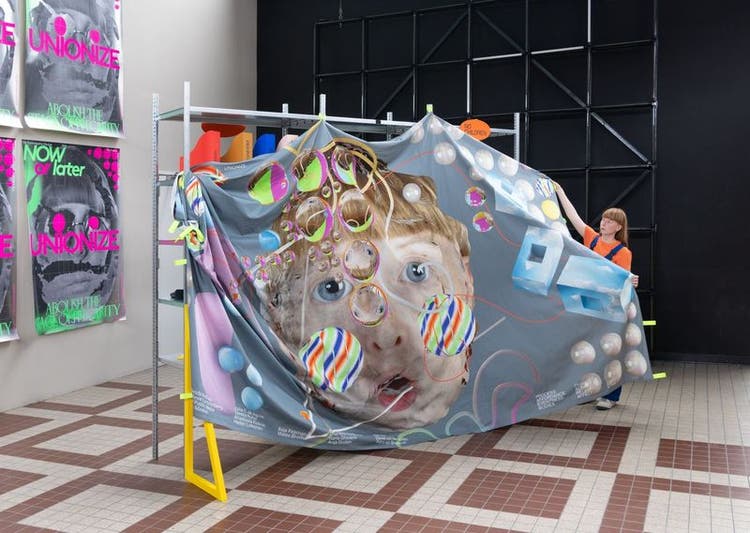
The creative industries have arguably seen one of the biggest transformations of any sector: Tool suites and the skills they require have changed dramatically; automation has overhauled the landscape; and online visibility algorithms constantly shift. And of course, there’s the ever-increasing impact of new generative technologies.
No one is saying navigating such changes is easy. But the positive side of this upheaval is the possibilities they open to rethink what our careers can look like and to reevaluate what “success” really means—whether that’s financial security, purpose, or fulfillment.
As technical barriers lower and tools like AI offer rapid (and cheap) solutions to generative tasks, the most valuable designers today and into the future are seemingly those who prioritize originality, curiosity, and ethics.
Non-linear career paths
Justyna Green spent nearly a decade in PR and comms telling other people’s stories. But as she approached 30, she realized she had her own “stories that I wanted to tell.”
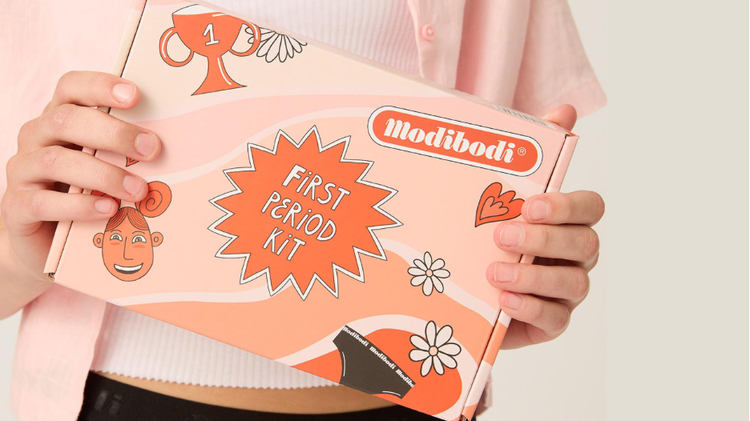
So, she did—beginning a new career in illustration and animation and carving out a singularly refreshing voice, telling the narratives few have dared (or bothered) to tell surrounding women’s health issues like periods, endometriosis, and decisions surrounding motherhood. That distinctive niche has served her well, winning her the 2021 World Illustration Awards and big-name clients like Modibodi.
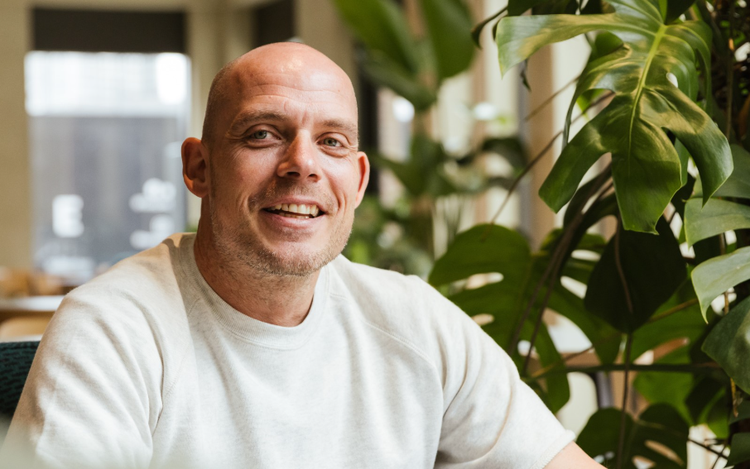
Similarly, when Simon Forster founded creative agency Robot Food from his kitchen table in 2009, he had no real experience in the design world, having previously worked with board sports brands. Now, Robot Food works with global names like Brooklyn Brewery, Sarson’s, and ESN. “Not having the industry experience brings as many positives as it does negatives. We made mistakes but were able to question the way things were done traditionally,” says Forster.
That notion of challenging the norm is very familiar to Tereza Ruller, who cofounded Amsterdam-based "post-critical" design studio The Rodina while still studying fine art. In the 15 or so years since, she's traced massive changes in tools and processes—from the early days of creative coding through variable typography—innovations which marked "a big step beyond static posters and publications,” she says.
“Suddenly, the grid could move, colors could change; everything was animated or coded. Those were interesting, exciting times. These techniques weren’t yet really specified within graphic design.”
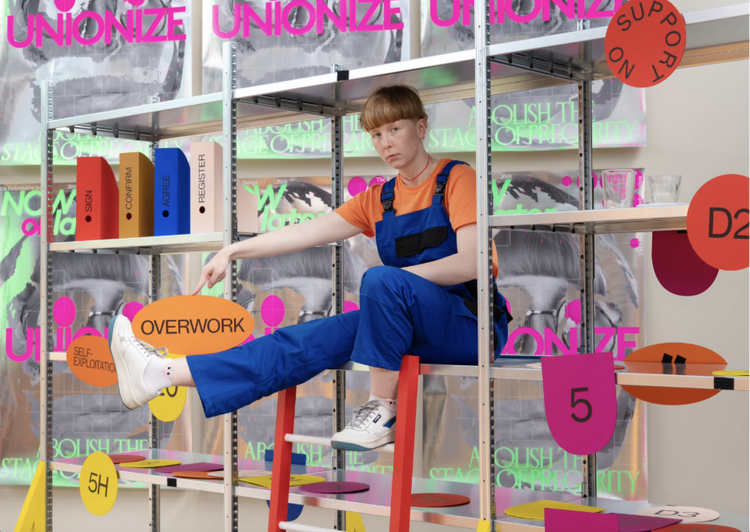
To Ruller, creative coding was a natural predecessor to AI. While now faster and easier, she reckons it's still vital to understand the mechanisms and "be able to glue everything together." It's important that we understand what AI can do for us and learn how to correctly use prompts to ask for what you need. People still need to have the skills to understand their tools."
Core design skills like Adobe Photoshop or 3D software are as important as ever since even basic changes to an AI-generated image can be surprisingly tricky, she adds. As design tools became more accessible, experimentation spread far beyond traditional creative circles.
The democratization dichotomy
Today, people are more visually literate than ever thanks to social media and the democratization of design tools and the ease of generating images, editing videos, and even branding products.
That’s a double-edged sword for those in the creative industries: now, being a standout creative isn’t just about tools, but about ideas. The 2025 Future of Jobs Report from the World Economic Forum stated that one of the main skills employers see as becoming even more important by 2030 is “creative thinking”, placing it alongside AI, big data, and technological literacy.
For all AI’s abilities with generative and mechanical tasks, genuinely original creative thinking—and good taste, despite its subjectiveness—remain difficult to replicate. “The nuance is all in the upfront thinking,” says Forster. “Some people just have creative bones or instinctively know what looks balanced and how to make the right design judgments—that can’t be replaced.” In an age where most technical design skills can be learned through free tutorials, a flair for out-of-the-box thinking and a distinctive viewpoint are crucial. “Sometimes we think we need to develop more skills when we actually don't,” says Green. Continuous improvement can be a trap; build on what you have that’s unique.”
For Ruller, who also teaches design, a next-level designer is one who has developed the “unique skill” of understanding how to research through design to truly understand the cultural contexts—someone who’s “able to ask really good questions, and curious enough to keep going, cultivating a practice that’s intellectual but also emotional.”
The most important thing, however, is “that they understand what tools they're using and how that contributes to the world: what’s your ethical compass?” She continues, “This really helps young designers to establish and go in the direction of their dream job.”
Hybrid careers
Freelancing is increasingly common for creatives: In the UK, roughly 30-32% of the creative workforce is self-employed, more than double the national average. Many find themselves with “portfolio careers” combining multiple income streams.
Green, for instance, still freelances in comms to make ends meet. It’s a useful counter-narrative to the dominant myth that success means doing only your creative work full-time. “Having other sources of income was one of the main things that unlocked being able to pursue the career I want,” says Green. “In the current market and with the rise of AI, trying to only make it as a creative can be quite risky if you don't have financial backup, especially if you’re just starting out. It’s important to have a few things on the go.”
For those who’ve been in the industry for a while, sometimes it’s not just the skills they pick up as a designer that prove to be the most useful or fulfilling but rather combining those with the things they’re passionate about outside of the nine-to-five. Designer and art director Dom Keen has been in the industry for more than 25 years, but his career path wasn’t straightforward: he’d studied illustration at university, but since the course was cut by the time he graduated, he was awarded a graphic design degree instead. “It was an interesting time to be at college because it was just at the turn of new technology—learning how to use a computer wasn’t a prerequisite,” he explains.
After, he landed an apprenticeship at a small graphic design studio, which proved invaluable for hands-on Photoshop experience. As the Internet boomed, he began helming the web design side, learning Adobe Dreamweaver on the job.
Keen’s visual communication career has always gone hand in hand with his passion for music, discovering heavy metal as a kid when Iron Maiden’s artwork accidentally caught his eye, and, having played guitar since he was 12, later touring the world in bands like Death in Vegas, Dark Horses, and Holy Magic.
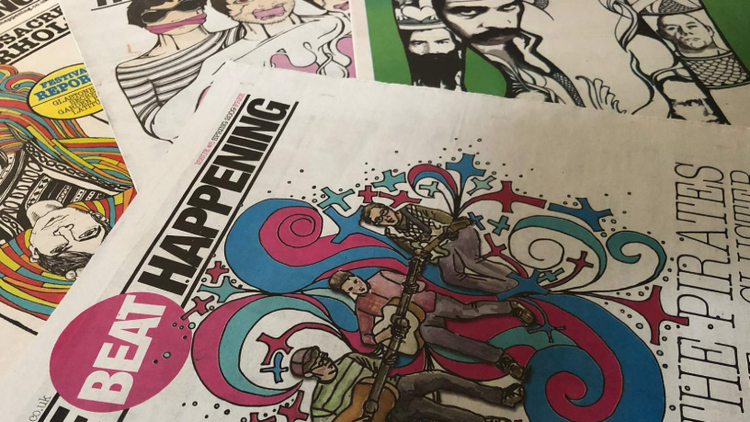
Now, he helms Studio Kosmische; writing, playing, and producing the music, as well as designing the records and branding—a neat convergence of the design skills he’s picked up at his day job with his out-of-hours music nerdery.
Similarly, Forster’s interest in tattoos dovetailed with the development of Stories and Ink, his own tattoo-care brand. “As a branding agency, we see the commercial impact we can have on a business’s success, but we don't have any ownership,” he says, explaining how, despite having no experience in the health and beauty space, he relished the opportunity to start his own brand.
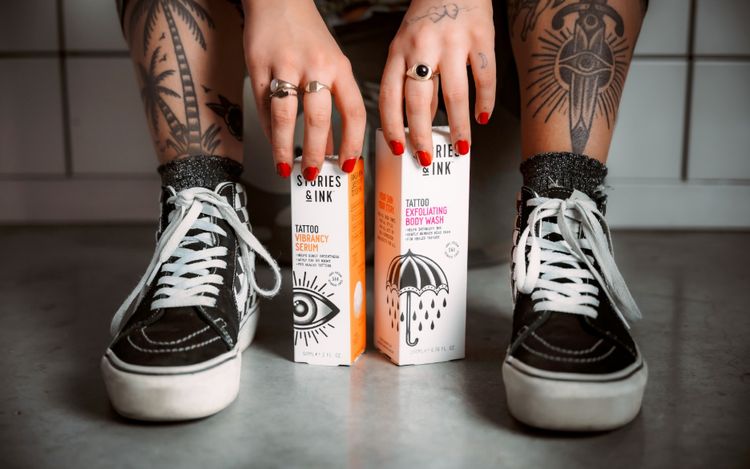
Forster’s own multifaceted career mirrors his predictions about the future of work: “I don’t think many people today get into careers thinking they’ll last a lifetime—things are getting a lot more fluid,” he says. That doesn’t just mean retraining mid-career, but he increasingly sees people are “giving their passion projects a push and seeing if they can make a career of it,” he adds.
Redefining success
Creative types—naturally inquisitive problem-solvers—are surely better positioned than most to navigate an industry where change is not just inevitable, but essential.
As Forster points out, skills like “understanding brands, being good at sales,” or simply being motivated by what you’re passionate about are inherently transferable. “Careers change, but the same fundamentals drive them,” he says. "You can achieve anything you want if you give it your all.”
It’s straightforward and timeless wisdom, as the best advice often is. Green highlights the importance of balance: “Creativity needs time and space; we can’t just churn stuff out,” she says. “But what I’ve learned is that you make your own luck. The more doors you knock on, the more will open.”
So again, it’s back to being curious and adaptable. Knocking on different doors, perhaps, than you thought you might. Today’s creative careers, you could argue, aren’t paths to be followed, but expansive vistas to be individually designed.