Making Type: John Roshell of Comicraft & Swell Type
A conversation with a type designer who helped pioneer comic book lettering into the digital age
Since 2014, I’ve been helping people find and use fonts across Adobe’s applications and along the way I’ve picked up a lot of tips—from finding the perfect font to laying out designs seamlessly and intelligently. I launched Make type work so I could share some of those tips and (hopefully) help other people feel more confident working with type.
I also have a deep admiration for the people who put in hours behind the scenes to create quality typefaces that bring our designs to life. “Making Type” is a new series in which I celebrate type designers and ask them questions about design, process, and life beyond fonts.
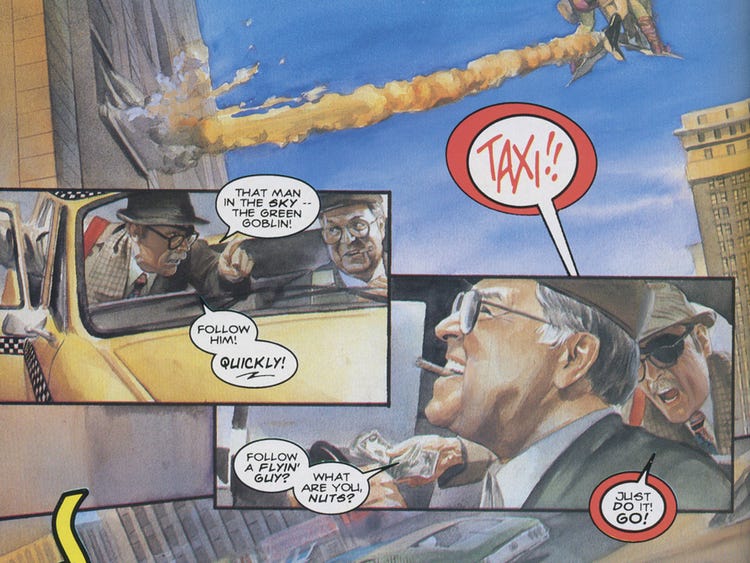
First up is John Roshell, the designer behind Comicraft’s stellar comic book fonts and California-inspired Swell Type, whom I met when he gave a talk to the Adobe Fonts team a few years ago.
What was the initial spark that got you into type?
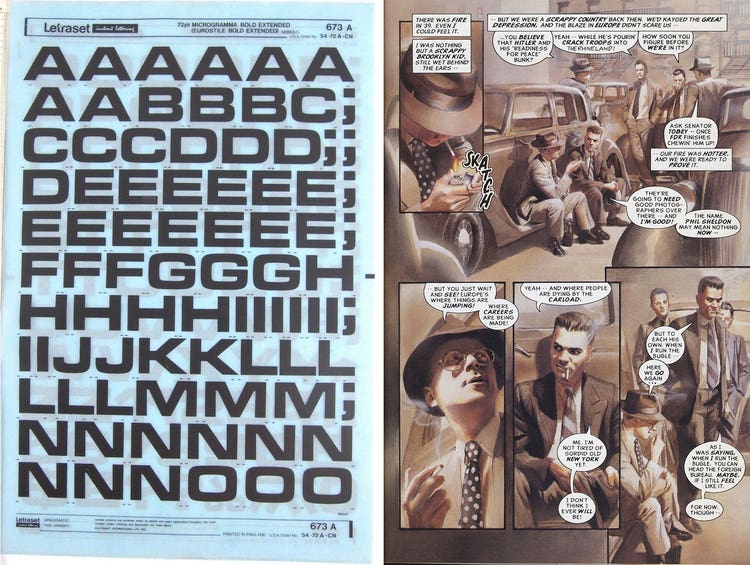
John Roshell: I can remember a few key moments—as a kid, buying a sheet of Letraset rub-on letters (Microgramma, still the best font of all time), which I would blow up huge on the copier to make flyers and stickers for my band. And in my high school job, opening Adobe Illustrator and discovering a whole menu of available fonts! And then just after college, my first week working for some comic book letterer named Richard Starkings, who asked if I could figure out what was causing the holes in the “number 8” in his font to not show up. And, opening Fontographer for the first time was like opening the portal to another dimension... where I could actually make fonts.
Comicraft helped pioneer comic book lettering into the digital age, and today it has a wealth of fonts spanning more than 30 years. How did that transition from hand lettering influence how you make fonts?
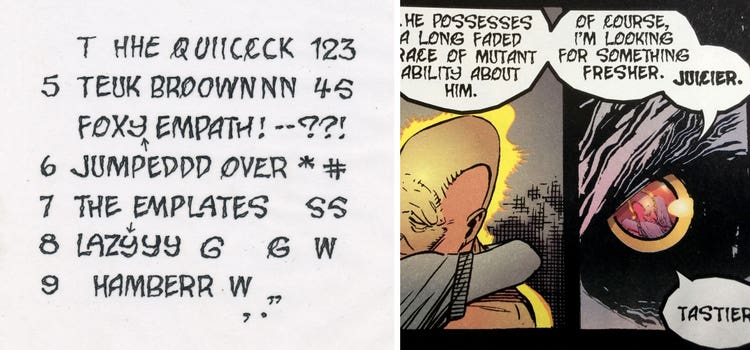
John: In creating his font, Richard had let the computer do what computers like to do, which is draw straight lines and perfect circles. So the idealized version of his lettering looked nothing like his actual lettering!
Because I was able to quickly fix his troublesome “8,” he let me go in to make some tweaks to try to get his font to look more like his actual lettering. And when that still didn’t look quite right, I started from scratch to create my first complete font. That font, now called Hedge Backwards, looked enough like his pen lettering that our editors couldn’t tell the difference, which led to us being able to work on books simultaneously, and eventually bring on more people to turn books around faster than any single letterer previously could.
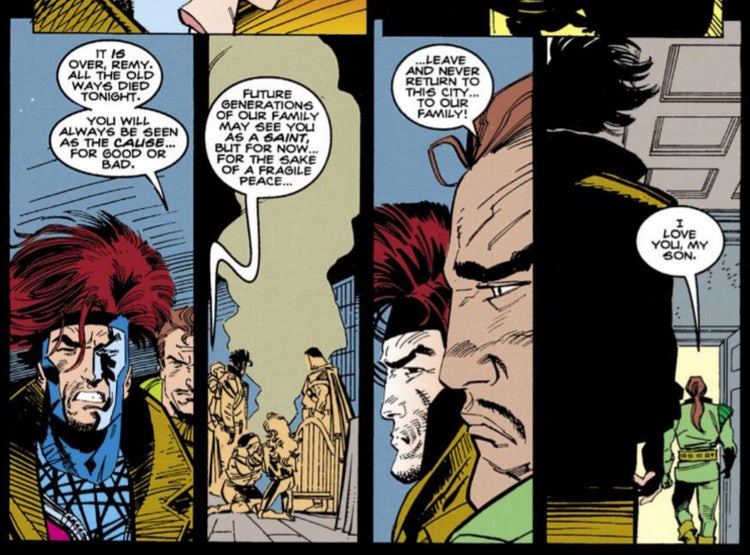
Our reputation for deadline-beating and quality led to us getting more work and moving on to top-selling books like Spider-Man and X-Men. When we reached that point, we decided we couldn’t continue lettering everything with his font and began creating fresh styles for each series. On top of that, we needed fonts for sound effects, story titles, and villain voices, so I was making fonts like crazy. I would start a font in the morning, get A–Z and punctuation working, and it would go out on pages in FedEx by the end of the day! This led to a huge backlog of partially-completed fonts, some of which I’m rediscovering and completing 30 years on.
You formed Swell Type more recently to design type inspired by California. What’s your process from seeing something in your surroundings to bringing it to life as a font?
John: Swell Type came from my desire to design larger, more “typographic" families that didn’t fit under the comic book umbrella. I’m always taking pictures of letters for inspiration wherever I go. Since I’ve lived in California my whole life—born and raised in the San Francisco Bay Area, went to college at UCLA, and spent the last 30 years in Santa Barbara raising our family—California seemed like a good way to describe my influences. Plus, it’s fun to make surf graphics.
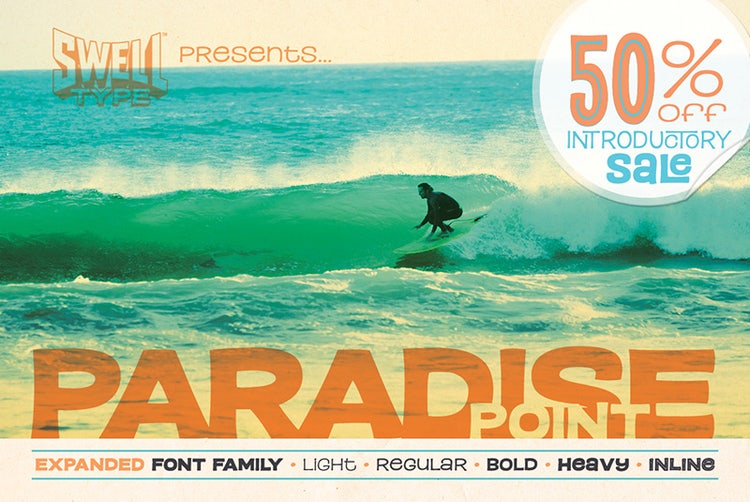
We’ve talked before about how much work goes into designing your font specimens. Does that process also influence your typefaces?
John: Creating a font, especially a large family, is a real act of faith. A lot of work goes in without any idea whether anyone else will find it useful enough to want to give you money for it! Thinking about the specimens in the early stages is a good exercise; if there are situations I can imagine using them, then hopefully there will be an audience for them. And at the end, creating the specimens is a great beta test. As I work on them, I’m constantly going back in to make little tweaks and hopefully get them perfectly dialed in.
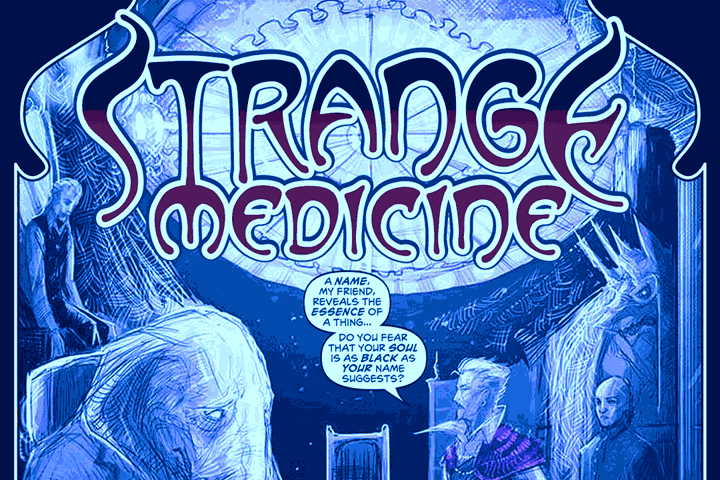
You’ve created many variable fonts. How has technology changed the way you think about type design?
John: Now I find it hard to not think about a font in terms of how skinny, how thick, how narrow, and how wide I can possibly make it. Maybe every font doesn’t need to have 72 weights… but they could.
Even after such a prolific career, with high-profile custom type and frequent real-world font usage, do you still get excited when you spot your work in use?
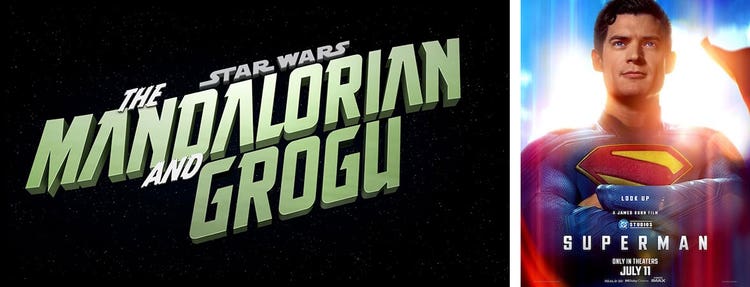
John: Every time! Spotting my fonts in the wild never gets old. My family might beg to differ: “Yes, dad, your font is on that cereal box.” “No, honey, you may not buy Fruit Loops.” 2025 was really exciting. Ultimatum was the main font on Superman movie posters, and The Story So Far & Near and Monster Mash form the logo for the new Star Wars: The Mandalorian and Grogu series!
How do you stay creatively nourished?
John: After a while in front of the screen, I like to go out in the garage and get my hands on physical stuff like wood and metal. I’m a lifelong guitarist and have built guitars, speaker cabinets, effects pedals, and many pedalboards. This year, my wife and I sold our tract house in the suburbs and moved into a little 100-year-old Craftsman downtown. That's meant several months of glorious house projects, from painting walls and wiring outlets to moving doors and vaulting ceilings. After a few hours of that, I start thinking about a font I want to work on, and the cycle begins anew.
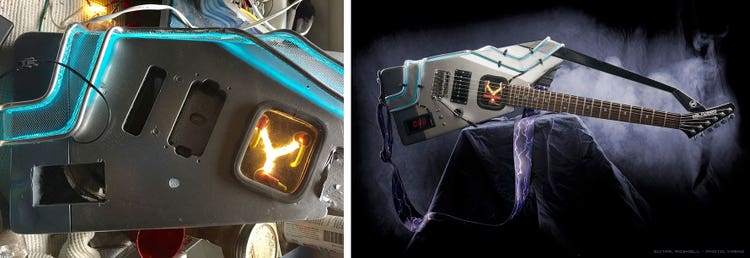
Thanks so much to John for taking the time to answer my questions.
John’s fonts are available on Adobe Fonts at Comicraft and Swell Type, and directly on the Comicraft and Swell Type foundry websites.
This article first appeared on Jake Giltsoff’s Make type work blog.